第三屆Venture Treks 主辦之 「2026 Bali Trail 八里越野」
由外籍人士在臺灣創立並經營的在地活動品牌 Venture Treks 主辦之 「2026 Bali Trail 八里越野」,持續以國際級賽事規劃標準、深厚在地特色及永續發展理念,推動臺灣越野跑運動的發展。邁入第三屆的八里越野賽,不僅持續吸引來自世界各地的跑者參與,更進一步將永續理念融入賽事規劃與執行之中,透過減塑措施、低碳活動推廣及環境教育合作,打造兼具運動體驗與環境責任的越野賽事典範。
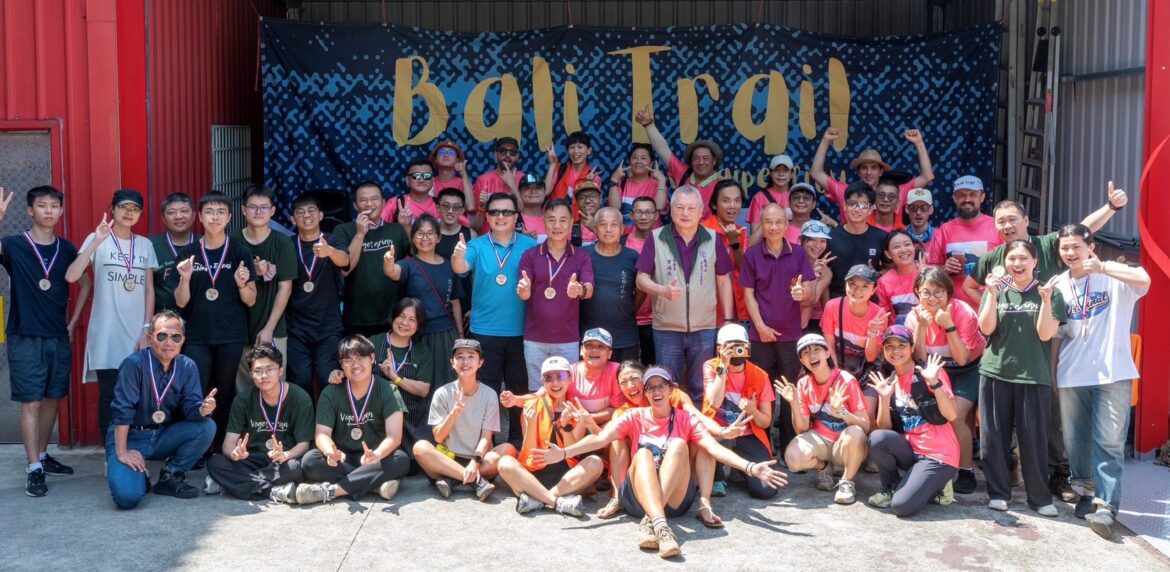
2026年6月20日上午7時至下午2時,賽事於新北市八里區 龜馬山紫皇天乙真慶宮 盛大舉行,共吸引來自24個國家、398位跑者及健行者參與,共同完成這場結合健康、運動、自然探索與永續精神的戶外盛會。賽事主會場設於真慶宮全區域,參賽者沿途可欣賞觀音山林步道、淡江大橋、大臺北盆地景觀及淡水河出海口海岸風光,充分展現八里地區豐富的自然與人文特色。
主辦單位 Venture Treks 由負責人 Jean Blignaut 與 Elzanne Blignaut 共同策劃執行,並結合來自臺灣本地及國際社群的大批本國籍與外籍志工共同參與賽事營運。2026 Bali Trail 共設有 1 公里及 2 公里兒童挑戰組、8 公里健行組、12 公里越野賽及 24 公里越野賽,涵蓋不同年齡層與體能程度的參與者,讓更多人能夠透過戶外運動親近自然環境。其中 24 公里越野賽累積爬升超過 1,800 公尺,包含技術性山徑、陡坡及拉繩路段,考驗參賽者的體能、技巧與意志力。8 公里健行組則以觀音山稜線及北海岸壯麗景觀為特色,提供親子家庭及休閒族群深入體驗山林之美的機會。

佛光大學、紫皇天乙真慶宮福田會共同推動2026 Bali Trail永續賽事與SDGs
合辦單位包含佛光大學、八里龜馬山紫皇天乙真慶宮建宮福田會。佛光大學永續發展辦公室受邀擔任協力角色,整合語文學系、蔬食產業學系、傳播學系、元門太極學苑、綠色冀泉社會企業與綠萌子商鋪平台等。整體賽事對接聯合國永續發展目標SDG3良好健康、SDG12負責任消費、SDG13氣候行動與SDG17夥伴關係,建構夥伴共同實踐健康與永續賽事新標竿。
佛光大學永續發展辦公室周鴻騰執行長表示,此次受福田會邀請參與賽事,由周鴻騰執行長負責整體協調,形塑永續賽事具備全人健康以及低碳旅遊元素。依教師學術專長導入永續賽事單元,諸如:蔬食系施建瑋副教授依據「藥食同源」理論規劃五行蔬食完賽餐。餐點採蛋奶素規格,涵蓋木、火、土、水、金五色料理。採取大量製作與快速出餐流程,讓完賽選手免排隊領取餐點。採買「綠萌子商鋪」之推廣在地生產、友善耕作與有機食材。落實環境永續與支持台灣在地小農。縮短食物里程,推廣植物性飲食。
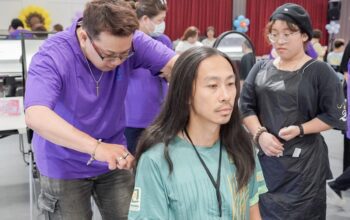
語文學系吳素真教授與元門太極學苑官貴中總教練,帶領完賽後的越野跑者,其經歷高強度運動,肌肉與筋膜處於緊繃狀態。賽後導入太極武藝展演與互動體驗,協助選手進行動態恢復。傳播學系牛隆光副教授兼系主任帶領傳播學系學生團隊負責賽事全程影音拍攝作業。記錄跑者完賽、五行蔬食供餐、太極武藝互動體驗及低碳獎牌頒發過程。由牛老師團隊執行影像剪輯與後製作業,產出賽事紀錄片。
綠色冀泉社會企業陳宇華創辦人提供保留著台灣杉原木自然紋理與香氣的完賽獎牌,木材來源為自然落枝或例行修剪枝幹,不進行額外砍伐,獎牌保留木材固碳效益,製作全程導入客製化雷射雕刻技術,將傳統金屬獎牌轉化為永續文創商品,降低賽事碳足跡。
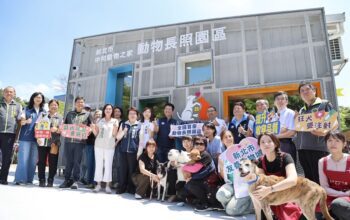
八里龜馬山紫皇天乙真慶宮建宮福田會林宇岳執行長說明,真慶宮長期推動在地文化與社會公益。本次提供全場域作為主會場,結合宗教場域安定力量與現代運動賽事。廟方認同低碳永續理念,提供場地與基礎設施支援。真慶宮為跑者起跑與完賽集結點,亦為永續發展教育實體空間。福田會協助賽事動線引導與物資補給。此跨界合作打破傳統宗教活動框架,將健康促進與低碳生活理念落實於廟宇場域,為地方創生與國際賽事結合建立實務範例。

國內外之男子組與女子組跑者得獎名單揭曉
在最受矚目的24公里男子組賽事中,臺灣選手展現地主絕對優勢,成功包辦前五名。頂尖好手吳旻訓以強悍實力拔得頭籌、勇奪冠軍;饒方翔與顏志叡則分別斬獲亞軍與季軍。第四名及第五名則由林聖璋與王誠靖奪得。
24公里女子組同樣由地主實力派女將稱霸頒獎台。賽事由朱紓嫻技壓群芳摘下桂冠 。林雅琳與曾晴緊隨其後,分別拿下第二名與第三名。第四名為 WANG Jiapei,第五名則由陳姵綸拿下。
12公里男子組則上演了精彩的國際焦點對決。來自法國的強將 LUCA Hochedez 展現驚人爆發力,成功奪下冠軍寶座。臺灣好手許元耕與李念修表現不俗,奮力抗衡並將亞軍與季軍留在臺灣。第四名由法國選手 MEUNIER Pierric 奪得,第五名則為臺灣選手張家翔。
最後在12公里女子組方面,臺灣巾幗不讓鬚眉,由廖品蓉展現絕佳狀態封后,順利奪冠。藍紫芸與林時如表現亮眼,分獲第二名與第三名。第四名及第五名則依序為王竹賢與杜晏慈。
Jean 與 Elzanne 表示:「我們希望每一位來到八里越野賽的參加者,都能帶走對這片土地的尊重與珍惜。」八里地區結合觀音山自然步道系統、淡水河口景觀及龜馬山紫皇天乙真慶宮所承載的在地文化特色,展現臺灣獨有的自然與人文魅力。環境保護與永續發展是本次賽事的核心理念,而 Venture Treks 也持續在每一屆活動中導入新的措施與做法,希望逐步提升賽事的永續性並降低對環境的影響。

永續賽事活動規劃與徹底執行
主辦單位鼓勵參加者自備水壺、水袋及飲水容器,以減少一次性用品的使用。賽事不提供一次性杯具與餐具,並鼓勵參加者自備碗、杯及餐具。完賽禮品採用木製永續文創商品及可重複使用的防水環保袋,以取代部分傳統一次性紀念品。同時,賽事採取預購制加購商品模式,以減少大量生產所造成的浪費,避免產生不必要的庫存與廢棄物。活動期間及活動結束後,主辦單位亦積極推動垃圾分類與資源回收,確保可回收物品獲得妥善處理,進一步降低活動對環境造成的負擔。在交通減碳方面,賽事提供活動接駁車、接駁巴士及共乘配對服務,鼓勵參加者減少私人交通工具使用,以降低交通碳排放。
在賽道管理方面,主辦單位採用可重複使用的賽道路標系統,並於活動結束後由專責「關門員(Sweepers)」團隊進行全線巡查,回收所有可重複使用的路標標示,同時清理參加者可能遺留於賽道上的垃圾,確保山林環境恢復原狀。賽事全程設有完善的安全管理措施,包括清楚標示的賽道路線、補給站、AED 自動體外心臟電擊器配置、醫療及急救支援,以及專業志工團隊協助營運,在安全架構下提供高品質的永續賽事體驗。
主辦單位也鼓勵參加者捐贈不再使用但仍具使用價值的衣物、鞋類及運動用品,並透過與 舊鞋救命Step30 等公益夥伴合作,將相關物資送往有需要的非洲社區。透過資源再利用的方式,減少物品成為廢棄物的機會,同時發揮更大的社會影響力,讓活動不僅關注環境永續,也實踐社會永續的精神。

2026 Bali Trail乃是夥伴跨界協作優質賽事的示範
2026 Bali Trail 乃是一場越野競技,亦為三方夥伴共同建構的永續行動場域。賽事全程對接聯合國永續發展目標。以五行蔬食供餐、太極運動與展演讓不同年齡與體能條件的參與者都能獲得身心靈健康滋養,落實 SDG3 良好健康與福祉。以台灣原生木料獎牌、自備水壺鼓勵、防水環保袋取代傳統金屬周邊,將減廢理念嵌入每一個賽事環節,具體回應 SDG12 負責任的消費與生產。以共乘接駁服務、縮短食物里程的在地有機食材,將碳足跡管理從口號化為具體賽事設計直接呼應 SDG13 氣候行動。Venture Treks 國際賽事團隊、紫皇天乙真慶宮建宮福田會與佛光大學永續發展辦公室三方的跨界協作,體現出SDG17 促進目標實現的夥伴關係 ,為臺灣在地示範健康與永續賽事的新標竿。

Venture Treks, Taiwan Wudang Taoist Temple, FGU University Unite- 2026 Bali Trail Pioneers a Cross-Sector Sustainable Racing Model in Taiwan
2026 Bali Trail
The third edition of the Bali Trail, organised by Venture Treks, concluded in Bali District, New Taipei City. Founded and operated by expatriates in Taiwan, Venture Treks plans its events to international race standards while drawing on local cultural character and a stated commitment to sustainability. This year’s edition extended that framework through plastic reduction measures, low-carbon logistics, and partnerships in environmental education.
The race ran from 07:00 to 14:00 at Guima Mountain Zhenqinggong Temple. A total of 398 runners and hikers from 24 countries participated. The course passed through the Guanyin Mountain forest trail system, with views of the Danjiang Bridge, the Taipei Basin, and the Tamsui River estuary — terrain that reflects the natural and cultural character of the Bali area.
Jean Blignaut and Elzanne Blignaut directed the event, supported by local and international volunteers. The 2026 programme offered five categories: a 1 km and 2 km Kids Challenge, an 8 km Hike, a 12 km Trail Race, and a 24 km Trail Race. The 24 km course accumulated over 1,800 metres of elevation gain and included technical singletrack, steep climbs, and rope-assisted sections. The 8 km Hike followed the Guanyin Mountain ridgeline and northern coastline, drawing families and recreational participants.
Fo Guang University and Zhenqinggong Futian Association : SDG Integration
The event was co-organised by the Guima Mountain Zhenqinggong Temple Construction Futian Association and Fo Guang University (FGU). The FGU Office of Sustainable Development coordinated contributions from the Department of Languages and Literature, the Department of Vegetarian Industry, the Department of Communication, the Yuanmen Taiji Academy, Green Jiquan Social Enterprise, and the Green Seedling Shop platform. The event addressed UN Sustainable Development Goals SDG 3, SDG 12, SDG 13, and SDG 17.
FGU Office of Sustainable Development Executive Director Chou Hung-Teng coordinated the university’s contribution, shaping the event’s integration of health and low-carbon tourism elements. Faculty brought specific expertise to bear on the race programme.
Associate Professor Shih Chien-Wei of the Department of Vegetarian Industry designed the post-race finisher meal around the principle of food as medicine. The lacto-ovo vegetarian menu followed a Five Elements structure — Wood, Fire, Earth, Water, and Metal — expressed through five-colour dishes. Bulk preparation and rapid service allowed finishers to collect meals without queuing. Ingredients were sourced through the Green Seedling Shop, which works with locally produced, eco-friendly, and organic food, reducing food miles and supporting small-scale Taiwanese farmers.
Professor Wu Su-Chen of the Department of Languages and Literature and Chief Instructor Guan Gui-Zhong of the Yuanmen Taiji Academy led post-race Taiji demonstrations and interactive sessions. The programme offered finishers a structured method of dynamic recovery after sustained physical exertion, addressing muscular and myofascial tension through movement rather than passive rest.
Associate Professor and Department Chair Niu Long-Guang of the Department of Communication led a student team that documented the event throughout. The team recorded finisher arrivals, the Five Elements meal service, the Taiji sessions, and the medal ceremony. The footage was edited and post-produced by Professor Niu’s team as the official race documentary.
Green Jiquan Social Enterprise founder Chen Yu-Hua supplied the finisher medals, made from Taiwan incense cedar (Cinnamomum kanehirae) and Taiwan incense cypress (Calocedrus formosana). Material was sourced from naturally fallen branches and scheduled pruning only, with no trees felled for production. The medals retain the grain, scent, and carbon-sequestration properties of the wood. Venture Treks and FGU logos and race-specific artwork were applied by laser engraving. The medals replace conventional metal awards with a material that carries a lower carbon cost and a direct connection to Taiwan’s native forest species.
Futian Association Executive Director Lin Yu-Yue noted that Zhenqinggong has a long record in local cultural and community work. The temple made its full grounds available as the main venue, pairing the site’s community role with a contemporary sporting event. The temple endorsed the low-carbon approach and provided venue and infrastructure support. Zhenqinggong served as the race start and finish point and as a physical space for sustainability education. The Futian Association managed course logistics and aid station operations. The collaboration moves the temple beyond its conventional role and places health promotion and low-carbon practices within a community religious setting, offering a working example of how local institutions and international events can operate together.
Race Results
24 km Men: Taiwanese runners took the top five positions. Wu Min-Hsun finished first, Rao Fang-Hsiang second, and Yan Zhi-Rui third. Lin Sheng-Zhang placed fourth and Wang Cheng-Jing fifth.
24 km Women: Zhu Shu-Xian won the category. Lin Ya-Lin finished second and Zeng Qing third. Wang Jiapei placed fourth and Chen Pei-Lun fifth.
12 km Men: France’s Luca Hochedez finished first. Taiwan’s Xu Yuan-Geng placed second and Li Nian-Xiu third. France’s Pierric Meunier finished fourth and Taiwan’s Zhang Jia-Xiang fifth.
12 km Women: Liao Pin-Rong won the category. Lan Zi-Yun placed second and Lin Shi-Ru third. Wang Zhu-Xian finished fourth and Du Yan-Ci fifth.
Jean and Elzanne stated: “We want every participant who comes to the Bali Trail to leave with a deeper respect for this land.” The Bali area combines the Guanyin Mountain trail network, the Tamsui River estuary, and the cultural heritage of Zhenqinggong — features that distinguish the event from races held on generic terrain. Environmental stewardship is a stated race priority, and Venture Treks introduces new measures each year to reduce the event’s footprint.
Sustainability Measures
Participants were asked to carry their own water bottles and hydration vessels. No single-use cups or utensils were provided at aid stations, and participants were invited to bring their own bowls and cutlery. Finisher gifts comprised laser-engraved wooden products and reusable waterproof bags rather than conventional single-use merchandise. A pre-order purchasing model limited overproduction and surplus inventory. Waste sorting and recycling operations ran throughout and after the event. Shuttle buses and a carpooling service were available to reduce private vehicle use.
Course marking used a reusable system. After the race, a dedicated Sweeper team walked the full course, collected all markers, and removed litter, restoring the trail to its prior condition. Safety provisions included marked route signage, staffed aid stations, AED units, medical support, and trained volunteers.
Participants were encouraged to donate functional clothing, footwear, and sporting goods they no longer needed. Through a partnership with Step30, donated items were directed to communities in Africa, reducing waste while extending the useful life of the goods.
The 2026 Bali Trail as a Cross-Sector Model
The 2026 Bali Trail was a trail race and a field of coordinated sustainable practice built across three organisations. The Five Elements finisher meal and Taiji recovery sessions, open to participants across ages and fitness levels, supported SDG 3 Good Health and Well-Being. Timber medals, reusable water vessels, and waterproof bags in place of conventional metal merchandise addressed SDG 12 Responsible Consumption and Production at each point of contact with participants. Carpooling services and locally sourced organic ingredients with reduced food miles carried carbon management from stated policy into race-day practice, addressing SDG 13 Climate Action. The working partnership among Venture Treks, the Zhenqinggong Construction Futian Association, and the FGU Office of Sustainable Development put SDG 17 Partnerships for the Goals into practice and offers a replicable model for sustainable race management in Taiwan.